- English
- Esperanto
- Afrikaans
- Català
- שפה עברית
- Cymraeg
- Galego
- Latviešu
- icelandic
- ייִדיש
- беларускі
- Hrvatski
- Kreyòl ayisyen
- Shqiptar
- Malti
- lugha ya Kiswahili
- አማርኛ
- Bosanski
- Frysk
- ភាសាខ្មែរ
- ქართული
- ગુજરાતી
- Hausa
- Кыргыз тили
- ಕನ್ನಡ
- Corsa
- Kurdî
- മലയാളം
- Maori
- Монгол хэл
- Hmong
- IsiXhosa
- Zulu
- Punjabi
- پښتو
- Chichewa
- Samoa
- Sesotho
- සිංහල
- Gàidhlig
- Cebuano
- Somali
- Тоҷикӣ
- O'zbek
- Hawaiian
- سنڌي
- Shinra
- Հայերեն
- Igbo
- Sundanese
- Lëtzebuergesch
- Malagasy
- Yoruba
- অসমীয়া
- ଓଡିଆ
- Español
- Português
- русский
- Français
- 日本語
- Deutsch
- tiếng Việt
- Italiano
- Nederlands
- ภาษาไทย
- Polski
- 한국어
- Svenska
- magyar
- Malay
- বাংলা ভাষার
- Dansk
- Suomi
- हिन्दी
- Pilipino
- Türkçe
- Gaeilge
- العربية
- Indonesia
- Norsk
- تمل
- český
- ελληνικά
- український
- Javanese
- فارسی
- தமிழ்
- తెలుగు
- नेपाली
- Burmese
- български
- ລາວ
- Latine
- Қазақша
- Euskal
- Azərbaycan
- Slovenský jazyk
- Македонски
- Lietuvos
- Eesti Keel
- Română
- Slovenski
- मराठी
- Srpski језик
Non-ionic Surfactant vs Ionic Surfactant: What Is the Difference?
Surfactants are widely used in modern industries, from household cleaning products and cosmetics to textiles, agriculture, and chemical manufacturing. Although they are often used in small amounts, surfactants play an important role in controlling surface tension, improving mixing, and enhancing product performance.
Among different types of surfactants, Non-ionic Surfactant and ionic surfactants are two major categories. They may perform similar functions in some applications, but their molecular structures and properties create important differences.
Understanding the difference between non-ionic surfactants and ionic surfactants can help industries select suitable ingredients for different formulations and processing requirements.
What Is a Non-ionic Surfactant?
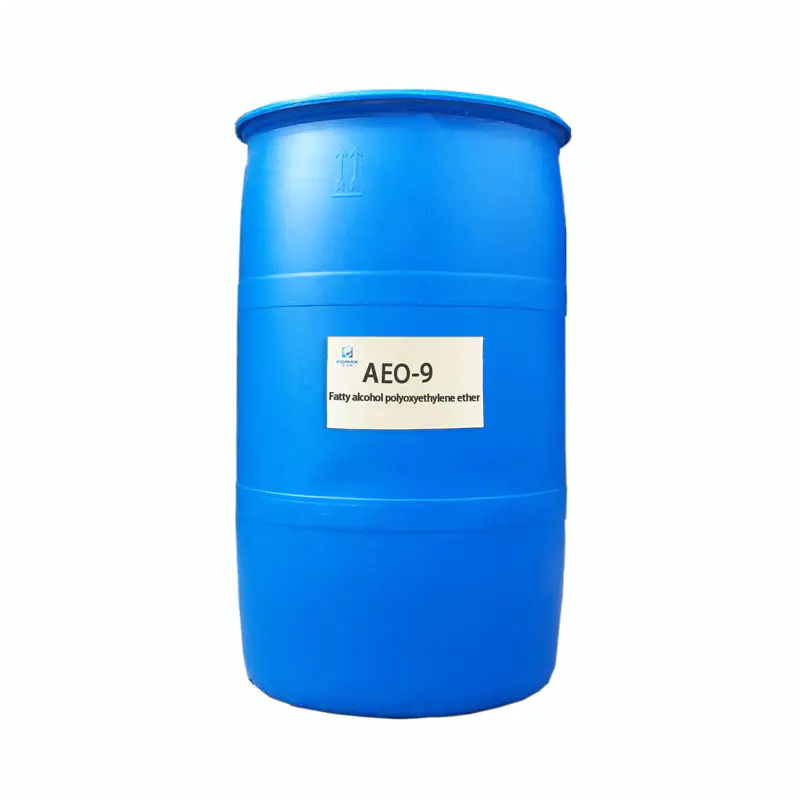
A non-ionic surfactant is a type of surfactant that does not carry an electrical charge in its molecular structure.
Like other surfactants, it contains two main parts:
- Hydrophilic group: A water-attracting part
- Hydrophobic group: An oil-attracting part
This special structure allows non-ionic surfactants to interact with both water and oil-based substances, making them useful for cleaning, emulsification, and formulation applications.
What Is an Ionic Surfactant?
An ionic surfactant is a surfactant that carries an electrical charge when dissolved in water.
Based on the type of charge, ionic surfactants can be divided into several categories:
- Anionic surfactants (negative charge)
- Cationic surfactants (positive charge)
- Amphoteric surfactants (both positive and negative characteristics)
Because of their charged nature, ionic surfactants often have strong interactions with other charged substances.
How Do Non-ionic and Ionic Surfactants Work?
Working Principle of Non-ionic Surfactants
Non-ionic surfactants reduce surface tension by positioning themselves at the interface between different substances.
For example:
Oil and water mixture
↓
Non-ionic surfactant molecules arrange at the interface
↓
Reduced surface tension
↓
Improved mixing and stability
Working Principle of Ionic Surfactants
Ionic surfactants work through charged molecular groups that interact with water, oils, and other particles.
Their electrical properties can influence cleaning performance, foaming behavior, and compatibility with other ingredients.
Non-ionic Surfactant vs Ionic Surfactant: Key Differences
| Feature | Non-ionic Surfactant | Ionic Surfactant |
|---|---|---|
| Electrical Charge | No electrical charge | Contains positive or negative charge |
| Water Hardness Resistance | Generally less affected by hard water ions | May be affected by certain ions |
| Compatibility | Compatible with many other chemical systems | Compatibility depends on charge interactions |
| Foaming Performance | Usually lower foam characteristics | Often provides stronger foaming ability |
| Temperature Stability | Often performs well under various conditions | Depends on chemical structure |
| Main Applications | Cleaning, emulsification, industrial processing | Detergents, personal care, specialized formulations |
Why Are Non-ionic Surfactants Widely Used?
Non-ionic surfactants have become popular because they offer several practical advantages in different industries.
1. Good Chemical Compatibility
Since they do not carry an electrical charge, non-ionic surfactants can work with many other ingredients without strong charge-related reactions.
2. Strong Emulsification Ability
They can help stabilize mixtures of oil and water, which is important for many industrial and consumer products.
3. Performance in Different Conditions
Non-ionic surfactants often maintain stable performance across different pH levels and water conditions.
Why Are Ionic Surfactants Still Widely Used?
Although non-ionic surfactants have many advantages, ionic surfactants remain important because they provide unique properties.
Common benefits include:
- Strong cleaning performance
- Excellent foaming ability
- Effective interaction with charged particles
- Wide use in cleaning formulations
Applications of Non-ionic Surfactants
Non-ionic surfactants are used in many industries because of their flexibility.
- Cleaning Industry: Used in detergents, industrial cleaners, and degreasers
- Cosmetics: Used for emulsification and product stability
- Textile Industry: Used in wetting, dyeing, and processing
- Agriculture: Used in pesticide formulations and spreading agents
- Industrial Manufacturing: Used in coatings, lubricants, and chemical processing
Applications of Ionic Surfactants
Ionic surfactants are commonly found in:
- Household detergents
- Personal care products
- Disinfecting formulations
- Industrial cleaning solutions
How to Choose Between Non-ionic and Ionic Surfactants?
The choice depends on the specific application requirements.
| Requirement | Suitable Surfactant Type |
|---|---|
| Stable emulsification | Non-ionic Surfactant |
| Strong foaming cleaning products | Ionic Surfactant |
| Complex chemical formulations | Non-ionic Surfactant |
| Fast cleaning action | Ionic Surfactant |
The Future Development of Surfactant Technology
With increasing demand for efficient and environmentally responsible chemicals, surfactant technology continues to evolve.
Future development trends may include:
- Bio-based surfactants
- Improved biodegradability
- Lower environmental impact
- Higher formulation efficiency
- Renewable raw materials
Both non-ionic surfactants and ionic surfactants play important roles in modern chemical applications. Ionic surfactants are valued for their strong charged interactions and cleaning performance, while non-ionic surfactants are widely appreciated for their compatibility, stability, and versatility.
The choice between them depends on factors such as formulation requirements, operating conditions, and desired performance.
Understanding the differences between these two surfactant types helps industries develop more effective products and improve chemical processing efficiency.